The purpose of the International Martin Buber Foundation is to promote activities in the field of Christian-Jewish cooperation – especially on an international level – that combat anti-Semitism, racism, discrimination, aggressive nationalism, as well as theological and other prejudices, and that promote exchange and cooperation between Jews and Christians. The aim is to promote the traditions and values of Judaism and Christianity, which include appreciative coexistence and which contribute to the solution of problems in interreligious, ethnic and international relations. This is done primarily through the support of the International Council of Jews and Christians (ICCJ).
The organs of the Foundation are the Board of Directors and the Foundation Advisory Board. The Board of Directors is responsible in particular for the administration of the Foundation’s assets and its income, as well as for deciding on the use of the Foundation’s funds. The tasks of the Foundation Advisory Board include electing and advising the Board of Directors and passing resolutions on motions to alter the constitution or dissolve the Foundation.
Support the interreligious dialogue!
Encounter and dialogue between religions, the fight against anti-Semitism, racism, discrimination, aggressive nationalism, theological and other prejudices are more important than ever! This commitment, to which the International Martin Buber Foundation has committed itself, needs your support! Contribute through donations and/or endowments to give this commitment the necessary material basis!
Further information:
info@martin-buber-stiftung.com
Bank details:
BNP Paribas Frankfurt
IBAN: DE07 7603 0080 0300 0432 86
BIC: BNPADEFFXXX
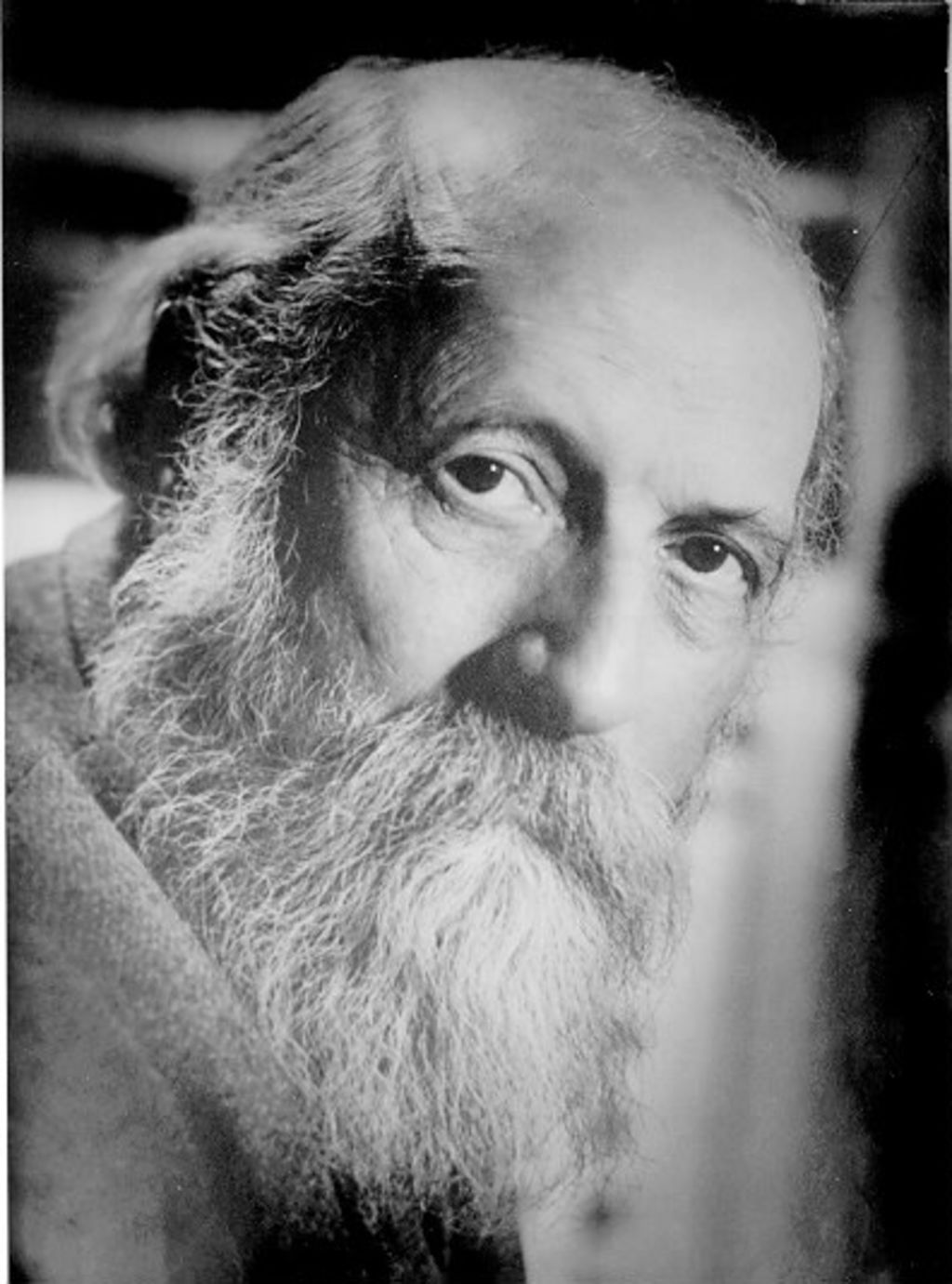
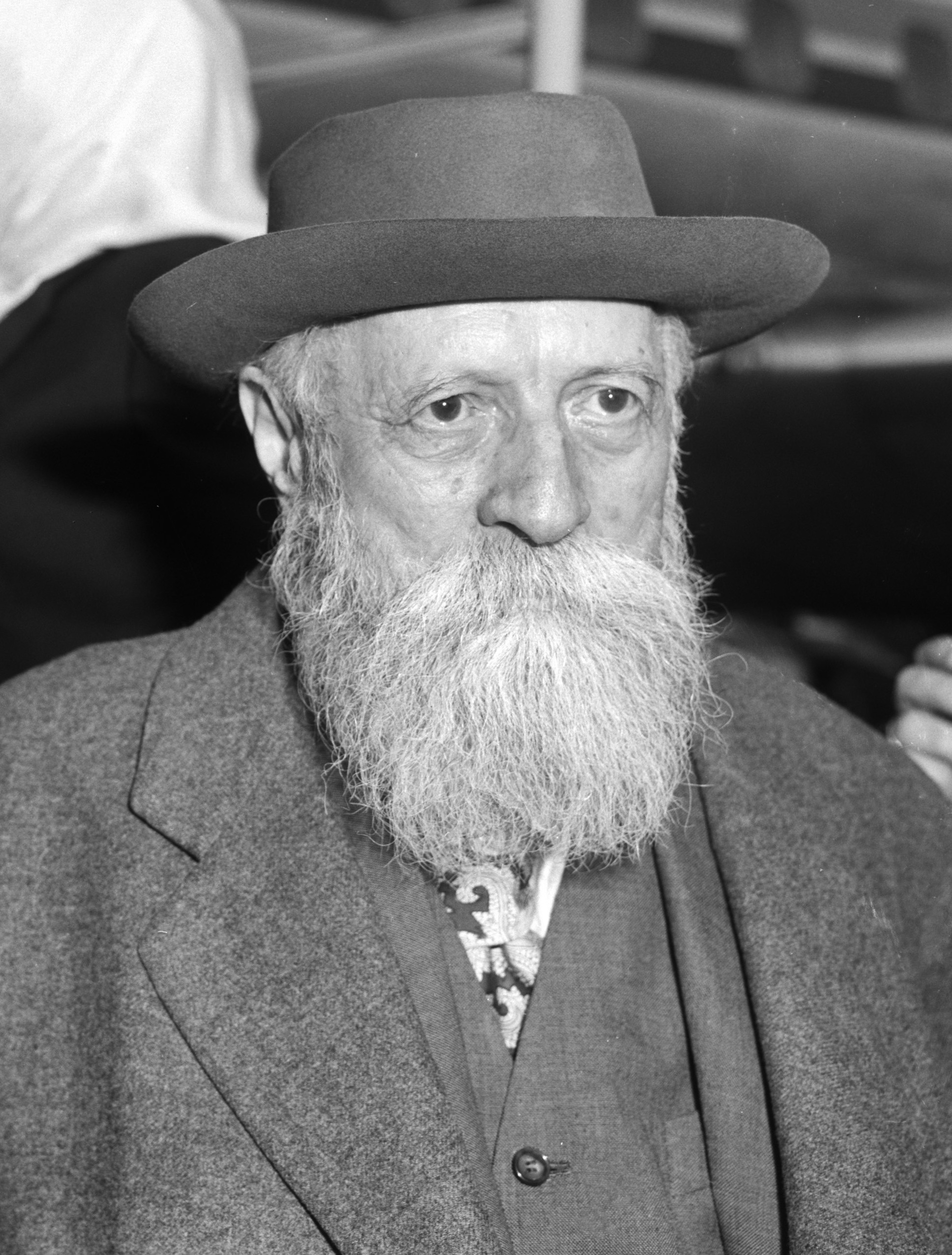
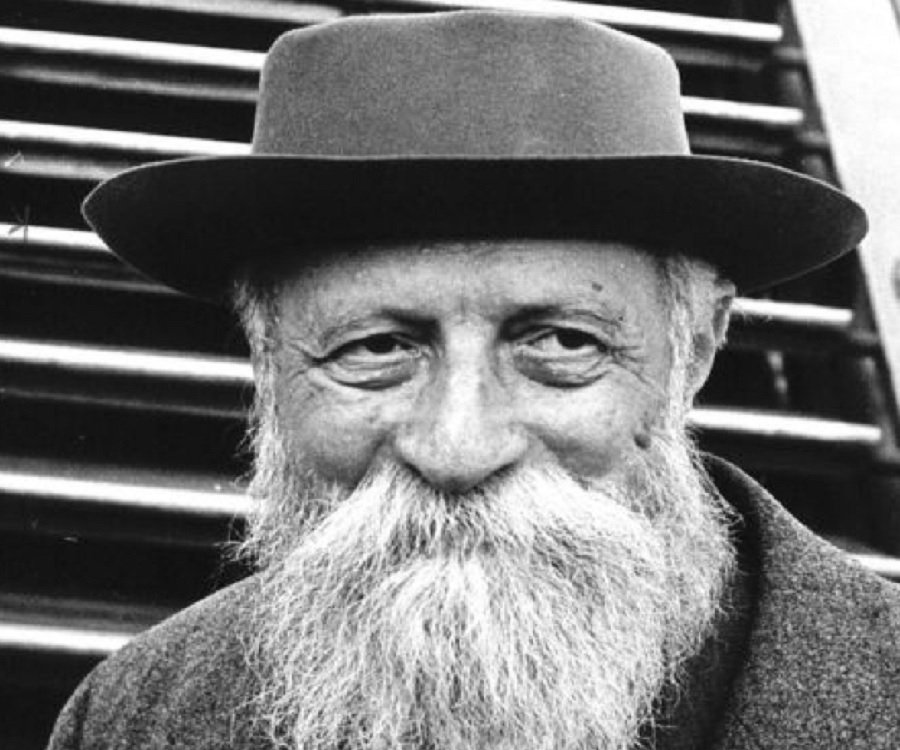
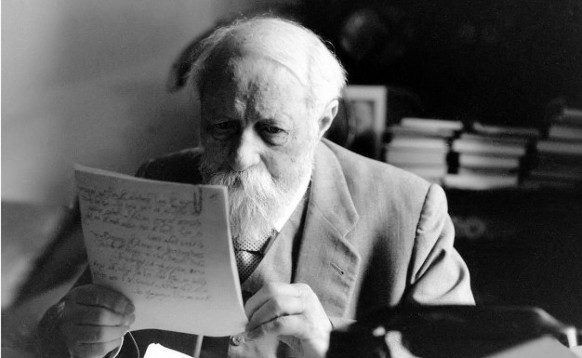
Martin Buber grew up in Vienna and moved to his grandparents’ home in the Galician city of Lemberg (now Lviv, Ukraine) at the age of four. His grandfather Salomon Buber was a scholar of Midrash, who was, in his time, one of the most important researchers and collectors in the field of the Hasidic tradition of Eastern European Jewry. After attending the Polish grammar school in Lemberg, Martin Buber studied in Vienna, Leipzig, Zurich and Berlin. He took courses in philosophy, German studies, art history, psychiatry and psychology, with, among others, Wilhelm Dilthey and Georg Simmel.
In 1899 he married Paula Winkler, who contributed to his work and wrote under the pseudonym Georg Munk. The couple had two children: their son, Rafael, born in 1900; and their daughter, Eva, born in 1901.
In Vienna, Buber met Theodor Herzl personally (first contact by letter in February 1900) and joined his Zionist movement, but never became active. In 1901 he became editor of the Zionist weekly “Die Welt” and in 1902 became co-founder of the Jewish Publishing House. Beginning in 1905, he worked for the publishing house Rütten & Loening as an editor.
In 1916, together with Salman Schocken, he founded the monthly magazine “Der Jude”, which appeared until 1928.
Martin Buber was a lecturer and honorary professor of Jewish religious education and ethics in Frankfurt am Main from 1924 to 1933. He was expelled from the National Socialist Reichsschrifttumskammer, a government institution, created to control all publications according to the principles of National Socialism, in 1935. In 1938 he was able to escape from National Socialist Germany to Jerusalem, where he taught anthropology and sociology at the Hebrew University of Jerusalem until 1951. During this period, despite his skepticism towards Zionism, Buber was close to some Zionist intellectuals, such as the philosopher Felix Weltsch, the writer Max Brod, politicians like Chaim Weizmann as well as Hugo Bergman. They were all acquaintances of Buber from the old European cities of Prague, Berlin and Vienna; their friendship and mutual stimulation lasted until the 1960s in the newly created state of Israel.
Buber’s home in Heppenheim, where he had lived with his wife and granddaughters Barbara and Judith Buber from 1916 to 1938, was vandalized during the November pogroms on 9 November 1938. In the years 1938-1940, Paula Buber wrote the literary portrait of the time “Muckensturm. A Year in the Life of a Small Town”, which was published in 1953 under her pseudonym.
In New York in 1955, Buber was involved, along with Hannah Arendt, Gershom Scholem and others, in the founding of the Leo Baeck Institute, an important documentation and research center for the history of German-speaking Jews. A large part of the holdings, available in electronic form, can be viewed at the Jewish Museum Berlin. He was also – like Hannah Arendt – one of the authors of “Aufbau”.
Paula Buber died in Venice in 1958 on her return from a joint trip to the USA and Europe. Martin Buber died in Jerusalem in 1965.
Buber was a stimulating and at the same time uncomfortable religious thinker. He advocated the mutual perception and recognition of Judaism and Christianity. His insistence on God’s unrevoked covenant with Israel was accompanied by a deep respect for the mystery of God in Church and Christianity. He contributed to the churches’ departure from their long history of hostility towards Jews and anti-Semitism and promoted Christian recognition of Israel’s divine mystery, as well as a readiness for practical cooperation between Christians and Jews for peace and justice.
Literature
 Prof. Dr. Abi Pitum (Chair Person)
München
Reverend Friedhelm Pieper (Deputy Chair Person)
Bad Nauheim
Rudolf Herfurth
Frankfurt
Michael Korn
Darmstadt
Prof. Dr. Ursula Rudnick
Hannover
Mark Dainow (Chair Person)
Offenbach
MR Johannes Schellakowsky (Deputy Chair Person)
Wiesbaden
Reverend Anja Harzke
Frankfurt
Prof. Dr. Johannes Heil
Heidelberg
District administrator Christian Engelhardt
Heppenheim
Rabbi Prof. Dr. David Rosen
Jerusalem/Israel
Internationale Martin-Buber-Stiftung
Martin Buber Haus
Werléstr. 2
D-64646 Heppenheim